First Monsoon Rain: How the Farm Held Up
The first big monsoon hit in early July. We documented every impact — what survived, what got waterlogged, and what we're fixing before the next spell.
First Monsoon Rain: How the Farm Held Up
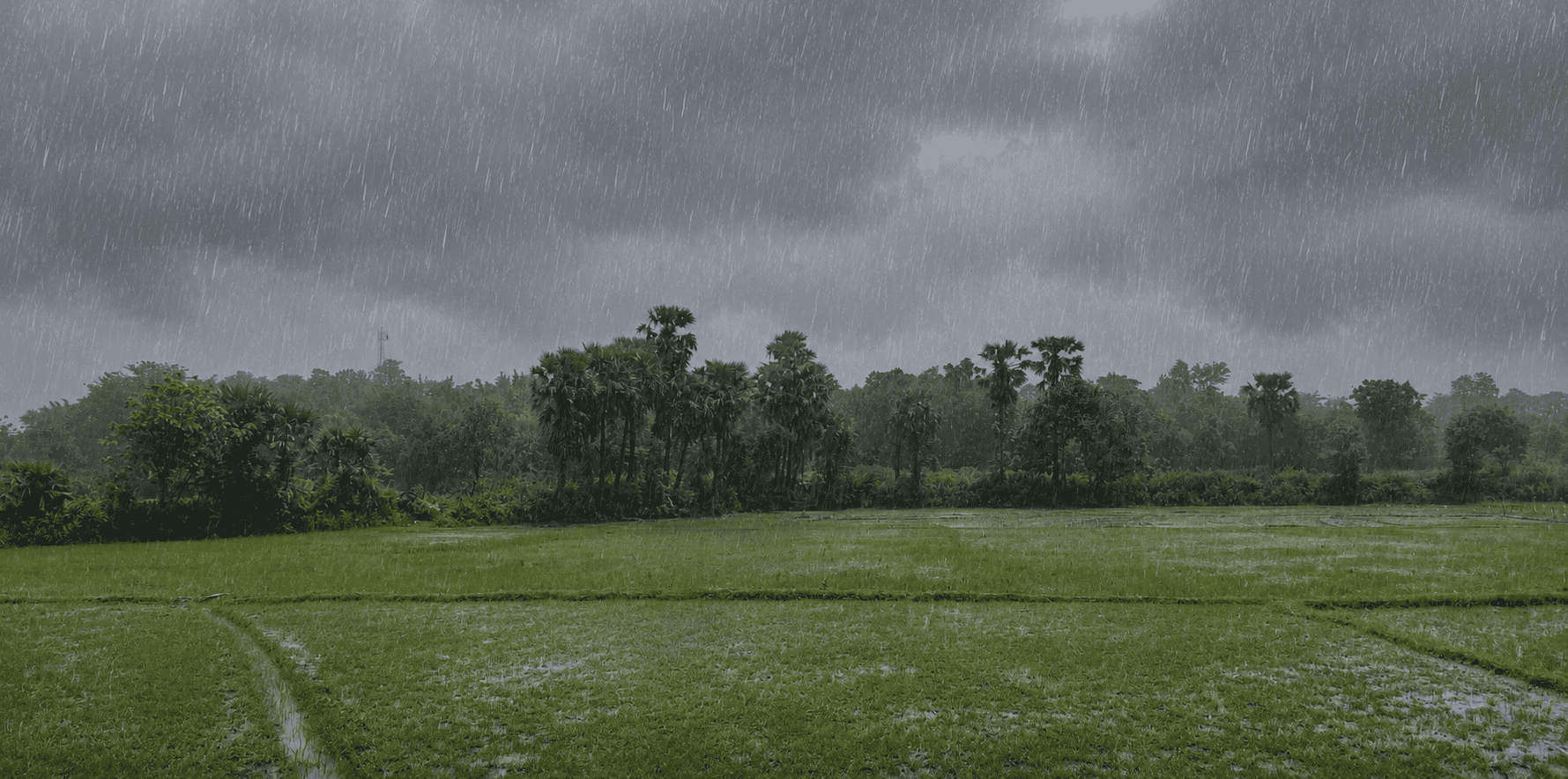
The monsoon arrived earlier than expected. On July 3rd, a major low-pressure system moved over Jharkhand and dumped 87mm of rain in 36 hours — well above the seasonal average for this period.
This was the first real stress test of everything we'd built over the past three months.
What We Were Worried About
Heading into monsoon season, we had three main concerns:
- Rhizome rot — turmeric rhizomes rot within 48 hours of waterlogging. This was our biggest fear.
- Soil erosion — our raised beds were freshly formed. Would they hold?
- Nutrient leaching — heavy rain moves surface-applied fertilizers away from root zones.
We'd done everything we could in advance: raised beds at 20–25cm height, paddy straw mulch applied two weeks earlier, and drip lines already installed so we could control irrigation precisely post-rain.
The Rain: Hour by Hour
July 3rd, 6:00 AM — Light drizzle began. We checked all drip connections and made sure no laterals were blocking drainage paths between beds.
July 3rd, 2:00 PM — Heavy rain started. Visibility dropped significantly. We walked the field every two hours to monitor water movement.
July 3rd, 8:00 PM — Standing water began accumulating in the south-east corner of the 2-acre plot. This corner has a slight natural depression we'd noticed during land survey but hadn't fully addressed.
July 4th, 6:00 AM — Rain slowed. Checked every bed. Main beds were holding up — water draining between beds as designed. The south-east corner still had 3–4 inches of standing water.
July 4th, 6:00 PM — Standing water in the vulnerable corner finally drained. Total waterlogging duration: approximately 18 hours. Too long for comfort, but the turmeric rhizomes in that zone were planted on raised beds, not at ground level — so we may have escaped rot.
What Survived
Raised beds — performed exactly as designed. The 20–25cm elevation was the right call. Water flowed between beds through the 50cm walkways. The beds themselves stayed above the waterline throughout the rain event.
Mulch held topsoil. The paddy straw mulch we'd applied two weeks earlier prevented surface washing on the bed tops. The few unmulched patches at the ends of some beds showed minor soil displacement — nothing serious.
Drip system — unaffected. All connections held under pressure. No lateral displacement despite heavy rain and some runoff across the field. The stakes we used to pin laterals did their job.
Young turmeric shoots — the 2-week-old shoots bent under rain pressure but were not damaged. Checked each bed — all plants upright by the morning of July 5th.
What Needs Fixing
South-East Corner Drainage
This is our only structural issue. The natural depression means water collects there whenever rainfall exceeds 50mm. We need a proper drainage trench along the south boundary before the next heavy spell.
Planned fix:
- 30cm wide × 40cm deep trench along the southern edge
- Outlet to the farm boundary
- Line with gravel to prevent silting
- Estimated cost: ₹4,500 for labour and materials
We'll complete this before the next expected rain cycle.
End-of-Bed Mulching
The unmulched patches at bed ends need straw coverage. Simple fix — we have leftover paddy straw. Will be done this week.
Soil Moisture Readings Post-Rain
We took soil moisture readings at 10cm depth across 8 sampling points on July 7th — three days after rain stopped.
| Bed Zone | Moisture Reading (VWC) | Status |
|---|---|---|
| North beds (1–15) | 44% | Above optimal |
| Central beds (16–35) | 46% | Above optimal |
| South beds (36–50) | 48% | Above optimal |
| SE corner beds (51–60) | 52% | Waterlogged risk zone |
Optimal range for turmeric is 35–40% VWC. All zones were above optimal. We turned off the drip system completely for 5 days to let the soil breathe and drain naturally.
Lessons Learned
Raised beds are non-negotiable in high-rainfall zones. Every farmer we spoke to before planting said this. We listened, and it paid off on day one of monsoon.
The south-east depression should have been addressed during land preparation. We noticed it during the survey but deprioritized it. That was a mistake. Drainage infrastructure comes before planting — always.
Mulch more than you think you need. Our 80% mulch coverage was good but not enough. The unmulched 20% showed why 100% coverage matters.
Walking the field during heavy rain is essential. By monitoring every 2 hours, we caught the south-east waterlogging early. If we'd waited until morning, we might have lost those beds.
Current Status
Farm is in good condition after the first monsoon test. Turmeric plants are healthy. Drip system is operational. The drainage fix is scheduled for this week.
We resumed drip irrigation on July 10th when soil moisture dropped back to 38% VWC across most zones.
Next journal entry: our first fertigation experiment — adding nutrients through the drip system.
Weather data sourced from local rain gauge installed on farm. Soil moisture measured with a digital probe at 10cm depth.